Embarking on the journey of Unity Temple Restoration: Envelope Retrofit Methods unveils a fascinating tale of preservation and innovation, shedding light on the intricate process of restoring historical architectural gems.
Delving deeper into the realm of envelope retrofitting, this narrative explores the transformative impact of modern techniques on ancient structures, paving the way for a sustainable future.
Overview of Unity Temple Restoration
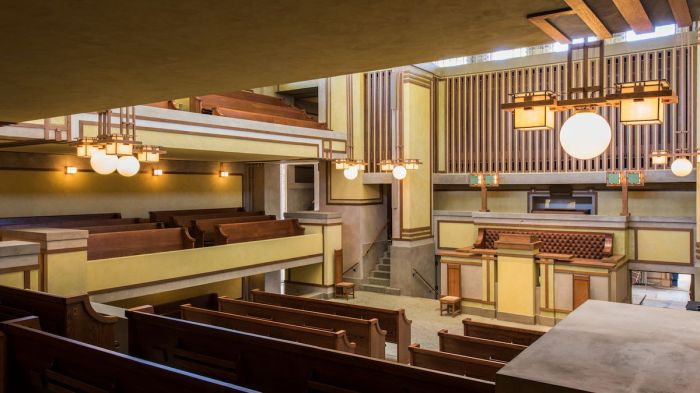
Unity Temple, located in Oak Park, Illinois, is a historically significant building designed by renowned architect Frank Lloyd Wright. Completed in 1908, it is considered one of Wright's most important works and a masterpiece of modern architecture. The temple serves as a Unitarian Universalist church and a cultural center, attracting visitors from around the world.The restoration project for Unity Temple aims to preserve and protect this architectural gem for future generations.
The building has faced structural challenges over the years, including water infiltration and deterioration of the exterior envelope. The restoration work involves implementing envelope retrofit methods to address these issues and ensure the long-term stability and integrity of the structure.
The Importance of Envelope Retrofit Methods
Envelop retrofit methods play a crucial role in the preservation of historical buildings like Unity Temple. By improving the building envelope, which includes the roof, walls, and windows, these methods help enhance energy efficiency, reduce maintenance costs, and prolong the lifespan of the structure.
In the case of Unity Temple, implementing envelope retrofit techniques is essential to safeguarding its architectural significance and ensuring its continued use as a place of worship and community gathering.
Envelope Retrofit Methods Used in the Restoration
During the restoration of Unity Temple, several envelope retrofit methods were employed to enhance energy efficiency and sustainability.
Air Sealing
- Sealing gaps and cracks in the building envelope to prevent air leakage.
- Materials used: caulking, weatherstripping, spray foam insulation.
- Improves energy efficiency by reducing heat loss and air infiltration.
Insulation Upgrades
- Adding or upgrading insulation in walls, roofs, and floors.
- Materials used: fiberglass, cellulose, spray foam insulation.
- Helps maintain a consistent indoor temperature and reduce heating and cooling costs.
Window and Door Replacement
- Replacing old windows and doors with energy-efficient ones.
- Materials used: double-pane or triple-pane windows, insulated doors.
- Reduces heat transfer and drafts, improving overall comfort and energy efficiency.
Roofing Upgrades
- Upgrading the roof to improve insulation and reduce heat gain/loss.
- Materials used: reflective roofing materials, cool roofs, green roofs.
- Helps lower cooling costs and mitigate the urban heat island effect.
Challenges Faced During the Restoration

Throughout the restoration of Unity Temple, various challenges were encountered during the envelope retrofitting process. These challenges required innovative solutions to ensure the successful completion of the project.
Structural Integrity Concerns
One of the main challenges faced was addressing structural integrity concerns while retrofitting the envelope of Unity Temple. The historical significance of the building required delicate handling to preserve its unique architectural design.
Special attention was given to strengthening the structure without compromising the original aesthetic appeal of the temple.
Weatherproofing and Insulation
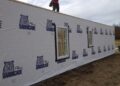
Ensuring proper weatherproofing and insulation posed another challenge during the restoration. The envelope retrofitting had to meet modern standards while maintaining the historical authenticity of the building.
Innovative insulation materials and weatherproofing techniques were implemented to enhance energy efficiency without altering the temple's appearance.
Accessibility and Safety
Providing accessibility and ensuring safety measures within the envelope retrofitting process was a significant challenge. The restoration needed to comply with current building codes and regulations without compromising the temple's original design.
Creative solutions such as hidden accessibility features and safety enhancements were integrated seamlessly into the restoration project.
Impact of Envelope Retrofit on the Unity Temple
The envelope retrofit of Unity Temple has brought about significant positive outcomes for the historic building, influencing both its architectural integrity and the community it serves.
Architectural and Structural Changes
The envelope retrofit not only improved the energy efficiency of the building but also helped preserve the original architectural design. The new envelope materials provided better insulation, reducing heat loss and making the building more sustainable. Additionally, any structural weaknesses were addressed during the retrofit, ensuring the longevity of the structure for years to come.
Community Influence
The restoration project and envelope retrofit have had a profound impact on the community surrounding Unity Temple. The beautifully restored building now serves as a cultural hub, attracting visitors interested in its history and architecture. The renewed interest in Unity Temple has brought more foot traffic to the area, boosting local businesses and revitalizing the neighborhood.
The community now takes pride in this architectural gem, fostering a sense of connection and belonging among residents and visitors alike.
Last Recap
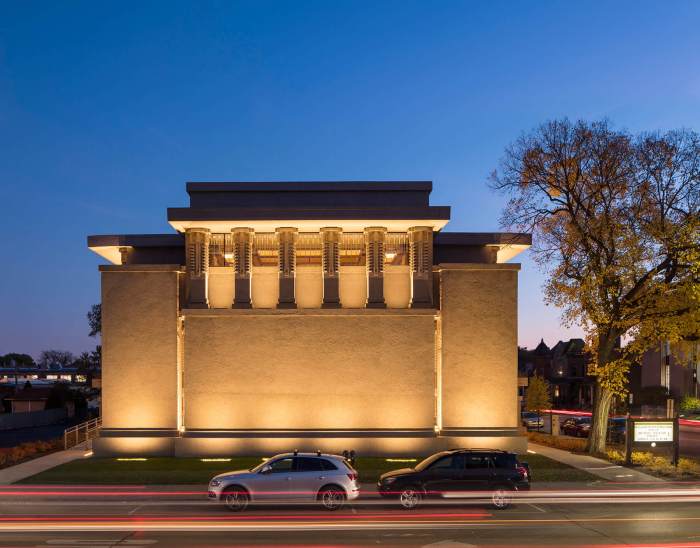
As we conclude our exploration of Unity Temple Restoration: Envelope Retrofit Methods, we are left with a profound appreciation for the meticulous efforts invested in safeguarding our heritage and embracing forward-thinking solutions for a greener tomorrow.
Expert Answers
What are the primary envelope retrofit methods used in the restoration?
The primary methods include external wall insulation, window upgrades, and roof improvements to enhance energy efficiency and structural integrity.
How has the community responded to the restoration project?
The community has shown overwhelming support, recognizing the importance of preserving historical landmarks and embracing sustainable practices for the benefit of future generations.
What sets envelope retrofitting apart from traditional restoration methods?
Envelope retrofitting focuses on enhancing the building's thermal performance and reducing energy consumption, aligning with modern sustainability standards while maintaining the historical aesthetics of the structure.