Envelope Prep for Cold vs Hot Climates sets the stage for this enthralling narrative, offering readers a glimpse into a story that is rich in detail and brimming with originality. From the best materials to insulation considerations, this guide covers all aspects with a focus on preparing envelopes for different climates.
As we delve deeper, you'll uncover valuable insights on sealants, moisture management, and weatherproofing techniques tailored for cold and hot climates. Let's embark on this informative journey together.
Envelope Materials
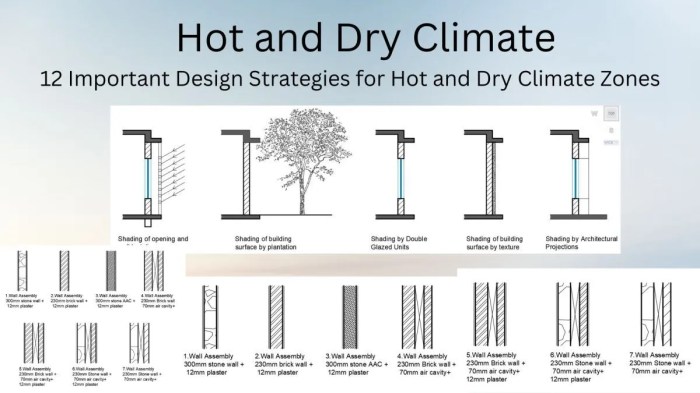
In cold climates, the best materials for envelope preparation are those that provide excellent insulation to keep the interior of the building warm. Materials like fiberglass, cellulose, and foam insulation are commonly used to prevent heat loss and maintain comfortable indoor temperatures.When it comes to hot climates, the choice of materials for envelope preparation focuses more on heat resistance and reflective properties to reduce the amount of heat entering the building.
Materials such as reflective foil insulation, radiant barriers, and SIPs (Structural Insulated Panels) are preferred to keep the interior cool and reduce the need for excessive air conditioning.
Durability of Materials
In terms of durability, materials suitable for cold climates are often designed to withstand extreme temperature changes and moisture, making them more resilient to harsh weather conditions. On the other hand, materials for hot climates need to be able to endure prolonged exposure to intense sunlight without deteriorating or losing their effectiveness in providing thermal comfort.
Sealants and Adhesives
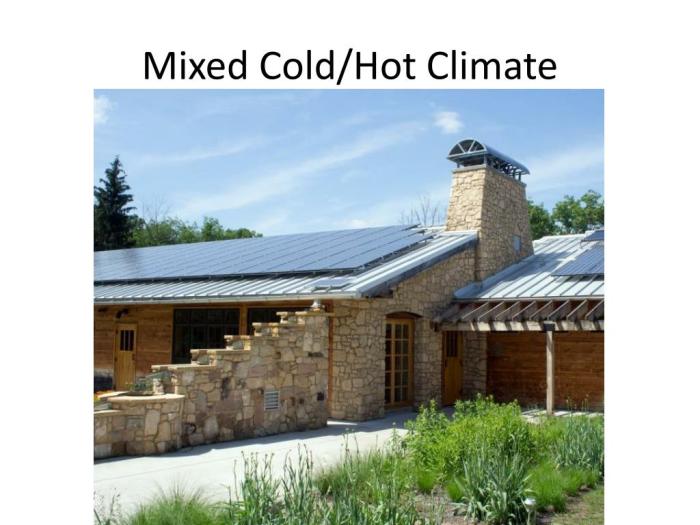
When it comes to envelope preparation for different climates, sealants and adhesives play a crucial role in ensuring the structure's integrity and energy efficiency. Choosing the right products can make a significant difference in the overall performance of the building envelope.
Sealants Suitable for Cold Climate Envelope Sealing
In cold climates, it is essential to select sealants that can withstand low temperatures without losing their adhesive properties. Silicone-based sealants are a popular choice for cold climate envelope sealing due to their flexibility and resistance to temperature extremes. These sealants remain pliable even in freezing conditions, ensuring a tight seal that prevents air infiltration and moisture penetration.
Impact of Heat on Adhesive Strength in Hot Climates
In hot climates, the extreme heat can affect the adhesive strength of sealants, causing them to soften or lose their bonding capabilities. This can lead to gaps in the envelope, allowing warm air to enter the building and reducing energy efficiency.
It is crucial to choose sealants that are specifically designed to withstand high temperatures and UV exposure in hot climates to ensure long-lasting performance.
Effectiveness of Sealants in Different Temperature Conditions
Overall, the effectiveness of sealants in different temperature conditions depends on their composition and intended use. While silicone-based sealants are suitable for cold climates, polyurethane sealants are better suited for hot climates due to their heat resistance. It is important to consider the specific climate of the region when selecting sealants to ensure optimal performance and durability of the building envelope.
Insulation Considerations
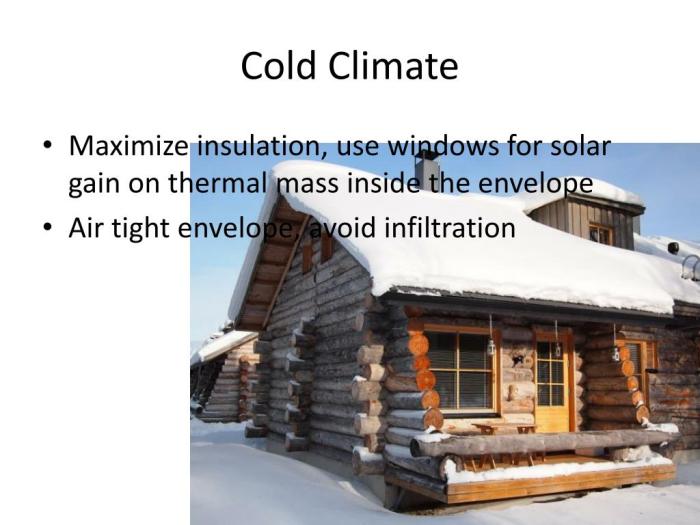
Insulation plays a crucial role in envelope preparation for both cold and hot climates, helping to maintain a comfortable indoor temperature and reduce energy consumption.
Importance of Insulation in Cold Climates
In cold climates, proper insulation is essential to prevent heat loss and maintain a warm interior environment. Insulating materials such as fiberglass, foam, or cellulose are used to create a thermal barrier that reduces the transfer of heat through walls, roofs, and floors.
This helps to lower heating costs and improve overall energy efficiency.
Insulation Requirements in Hot Climates
In hot climates, the focus shifts to preventing heat gain and maintaining a cool indoor temperature. Insulation is still important in hot climates to reduce the transfer of heat from outside to inside. However, the type of insulation and its placement may vary to account for the different climate conditions.
Reflective insulation, radiant barriers, or foam insulation are commonly used in hot climates to reflect heat away from the building and keep the interior cool.
Energy Efficiency Comparison
Insulated envelopes in cold climates generally result in higher energy efficiency compared to those in hot climates. This is because heating demands are typically higher in cold climates, making insulation a more critical component in reducing energy consumption. However, both cold and hot climates benefit from well-insulated envelopes in terms of maintaining comfortable indoor temperatures and reducing energy costs.
Moisture Management
Proper moisture management is crucial in envelope preparation for both cold and hot climates to prevent issues like mold, rot, and poor indoor air quality
Managing Moisture in Cold Climates
In cold climates, it is important to have a well-insulated envelope to prevent condensation from forming on the interior surfaces. This can be achieved by using vapor barriers and ensuring proper ventilation to allow any trapped moisture to escape.
- Install airtight seals around windows and doors to prevent air leakage, which can carry moisture into the building envelope.
- Use materials that are less prone to moisture absorption, such as closed-cell spray foam insulation.
- Regularly inspect the envelope for any signs of moisture infiltration and address any issues promptly.
Impact of Humidity in Hot Climates
In hot climates, high humidity levels can make it challenging to maintain an effective envelope seal. The warm, moist air can lead to condensation on cooler surfaces, promoting mold growth and structural damage.
- Choose sealants and adhesives that are specifically designed to withstand high humidity levels and temperature fluctuations.
- Consider using dehumidifiers or HVAC systems with humidity control to maintain optimal indoor humidity levels.
- Regularly check for any gaps or cracks in the envelope that could allow humid air to enter and cause moisture-related issues.
Risks of Moisture-Related Issues
While both cold and hot climates present unique challenges in moisture management, the risks of moisture-related issues differ between the two.
- In cold climates, the primary concern is preventing condensation and ice dam formation, which can lead to water damage and reduced insulation effectiveness.
- In hot climates, the focus is on controlling humidity levels to prevent mold growth, rot, and degradation of building materials.
- Both scenarios require careful attention to moisture management to ensure the longevity and performance of the building envelope.
Weatherproofing Techniques
Weatherproofing techniques play a crucial role in ensuring the durability and performance of building envelopes in both cold and hot climates. In cold climates, the focus is on preventing moisture infiltration and air leakage, while in hot climates, UV exposure can degrade materials and reduce their effectiveness over time.
Weatherproofing Techniques for Cold Climates
In cold climates, weatherproofing techniques typically involve the use of vapor barriers, air barriers, and high-quality sealants to prevent moisture infiltration and air leakage. Proper insulation installation and airtight construction are also essential to minimize heat loss and maintain thermal comfort indoors.
Additionally, using durable and resilient materials that can withstand freezing temperatures and harsh weather conditions is crucial for long-term weatherproofing effectiveness.
Effect of UV Exposure on Envelope Weatherproofing in Hot Climates
In hot climates, the primary challenge for envelope weatherproofing is the damaging effects of UV exposure on materials. UV radiation can cause deterioration, discoloration, and degradation of building materials, leading to reduced performance and lifespan of the envelope. To combat this, using UV-resistant coatings, finishes, and materials can help mitigate the impact of UV exposure and prolong the durability of the building envelope in hot climates.
Longevity of Weatherproofing Methods in Cold vs Hot Climate Envelopes
When comparing the longevity of weatherproofing methods in cold vs hot climate envelopes, it is essential to consider the specific challenges posed by each climate. In cold climates, where moisture infiltration and freeze-thaw cycles are common, weatherproofing methods must be robust and resilient to ensure long-term performance.
On the other hand, in hot climates, the focus is on protecting materials from UV exposure and high temperatures to maintain their integrity over time. Overall, proper maintenance, regular inspections, and timely repairs are key to extending the longevity of weatherproofing methods in both cold and hot climate envelopes.
Closure
In conclusion, Envelope Prep for Cold vs Hot Climates emphasizes the importance of selecting the right materials and strategies to ensure optimal efficiency and durability. By understanding the unique challenges posed by varying climates, you can enhance the performance of your envelopes and create a more sustainable environment.
Answers to Common Questions
How do humidity levels impact envelope sealing in hot climates?
High humidity levels in hot climates can weaken adhesive strength, compromising the effectiveness of envelope sealing.
What are the best materials for envelope preparation in cold climates?
Materials like fiberglass and rigid foam insulation are ideal for cold climate envelope preparation due to their durability and insulating properties.
Why is insulation important in envelope preparation for cold climates?
Insulation helps regulate indoor temperatures, prevents heat loss, and improves energy efficiency in cold climates.