Envelope Failure Timeframe: Predict Common Problems sets the stage for this enthralling narrative, offering readers a glimpse into a story that is rich in detail and brimming with originality from the outset.
Exploring the typical timeframes of envelope failures, factors contributing to these failures, their impact, and strategies for mitigation will shed light on this crucial aspect of mailing systems.
Common Envelope Failure Timeframes
Envelope failures in mailing systems can occur at various timeframes, impacting the delivery and security of important documents. Understanding when these failures are most common can help in preventing potential issues.
Peak Hours and Days
- Peak hours for envelope failures typically coincide with high mail volume times, such as early morning when large batches of mail are processed.
- Mondays and Fridays are often peak days for envelope failures due to the backlog from the weekend and increased activity before the weekend, respectively.
Seasonal Trends
- During holiday seasons, envelope failure rates may increase as there is a surge in mail volume and potential delays in processing.
- Summer months can also see a rise in envelope failures as postal services may experience higher demand and staffing shortages.
Critical Timeframes
- Envelopes containing time-sensitive documents, such as tax filings or legal notices, are particularly critical and any failure during processing can have serious consequences.
- When sending out invitations or announcements for events, ensuring envelopes are delivered on time is crucial to the success of the event.
Factors Contributing to Envelope Failure
User error, software glitches, and environmental factors all play a significant role in contributing to envelope failures. These factors can lead to various issues that impact the integrity and security of the envelopes used in different systems.
User Error
User error is one of the most common factors contributing to envelope failures. Mistakes such as selecting the wrong recipient, attaching the wrong document, or entering incorrect information can all lead to envelopes being compromised. It is essential for users to double-check their actions and ensure accuracy to prevent such errors from occurring.
Software Glitches
Software glitches can also be a major cause of envelope failures. Bugs in the system can result in envelopes not being delivered or being sent to the wrong recipient. It is crucial for software developers to regularly update and maintain their systems to prevent such glitches from affecting the security of the envelopes.
Environmental Factors
Environmental factors like power outages, network disruptions, or server failures can impact the timeframes for envelope failures. These issues can lead to delays in delivery, loss of data, or even complete envelope failures. It is important for organizations to have backup systems in place to mitigate the impact of such environmental factors on envelope security.
Impact of Envelope Failure Timeframes
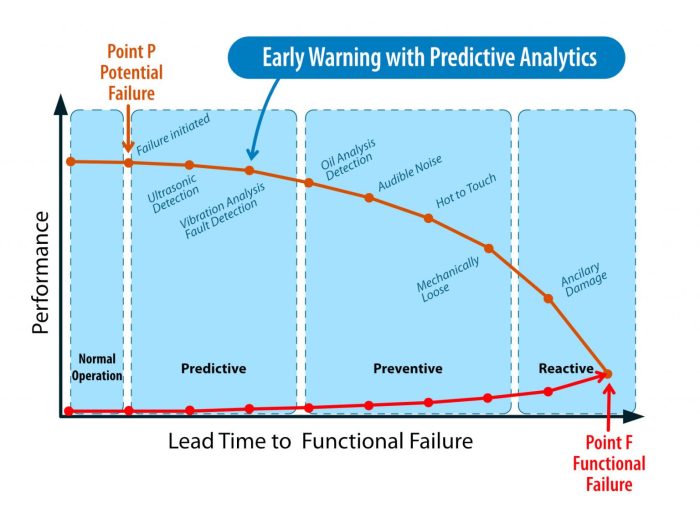
Missing timeframes due to envelope failures can have significant consequences across various aspects of a business. From financial implications to customer satisfaction, the impact can be far-reaching.
Consequences of Delays Caused by Envelope Failures
- Increased operational costs due to re-sending or re-processing of mail.
- Potential loss of revenue from delayed invoicing or payments.
- Risk of damaging relationships with clients and partners due to missed deadlines.
Financial Implications of Missing Timeframes
- Penalties for late payments or shipments, impacting the bottom line.
- Potential loss of business opportunities or contracts due to delays.
- Reputational damage leading to loss of customers and decreased profitability.
Customer Satisfaction Affected by Envelope Failure Timeframes
- Decreased trust in the company's reliability and efficiency.
- Negative impact on customer loyalty and retention.
- Potential for customers to seek alternative providers due to dissatisfaction.
Examples of Businesses that Have Suffered Due to Envelope Failure Timeframes
- A shipping company that consistently missed delivery deadlines due to envelope failures, leading to a loss of major clients.
- An e-commerce business facing customer complaints and refunds due to late or lost shipments caused by envelope failures.
- A financial institution experiencing regulatory fines and customer backlash due to delayed statements and confidential documents not reaching recipients on time.
Strategies for Mitigating Envelope Failure Timeframes
When it comes to preventing envelope failures within specific timeframes, implementing best practices and optimizing processes are crucial steps to minimize the occurrence of such issues. Automation also plays a key role in reducing envelope failure timeframes, streamlining processes and improving efficiency.
Role of Automation in Reducing Envelope Failure Timeframes
Automation can greatly help in reducing envelope failure timeframes by eliminating manual errors and streamlining the process of sending and receiving envelopes. By automating tasks such as envelope creation, sending, and tracking, organizations can ensure that envelopes are delivered accurately and on time.
Tips for Optimizing Processes to Minimize Envelope Failure Occurrences
- Regularly update and maintain envelope templates to ensure consistency and accuracy.
- Implement validation checks to catch errors before sending envelopes.
- Train employees on proper envelope handling procedures to reduce human errors.
- Monitor envelope delivery and receipt metrics to identify potential issues and address them proactively.
Case Studies of Successful Strategies Implemented to Mitigate Envelope Failure Timeframes
One successful strategy implemented by Company X was the integration of an automated envelope management system, which significantly reduced envelope failure timeframes by eliminating manual errors and streamlining the entire process. This resulted in improved efficiency and accuracy in envelope delivery.
Closing Summary
In conclusion, understanding envelope failure timeframes is essential for ensuring efficient mailing operations. By predicting common problems and implementing effective strategies, businesses can navigate these challenges successfully and enhance customer satisfaction.
Popular Questions
What are the typical timeframes when envelope failures occur?
Envelope failures commonly occur during high-traffic hours or days when the system is under heavy load.
How can user error lead to envelope failure?
User error such as incorrect addressing or improper sealing can contribute to envelope failures.
What are the consequences of delays caused by envelope failures?
Delays from envelope failures can result in missed deadlines, impacting business operations and customer satisfaction.
What best practices can prevent envelope failures within specific timeframes?
Implementing quality control measures, regular maintenance checks, and proper staff training can help prevent envelope failures within specific timeframes.